Article by Dharma Ratna Yami on Heera Devi Yami

Posted On
Posted By
Dharma Ratna Yami

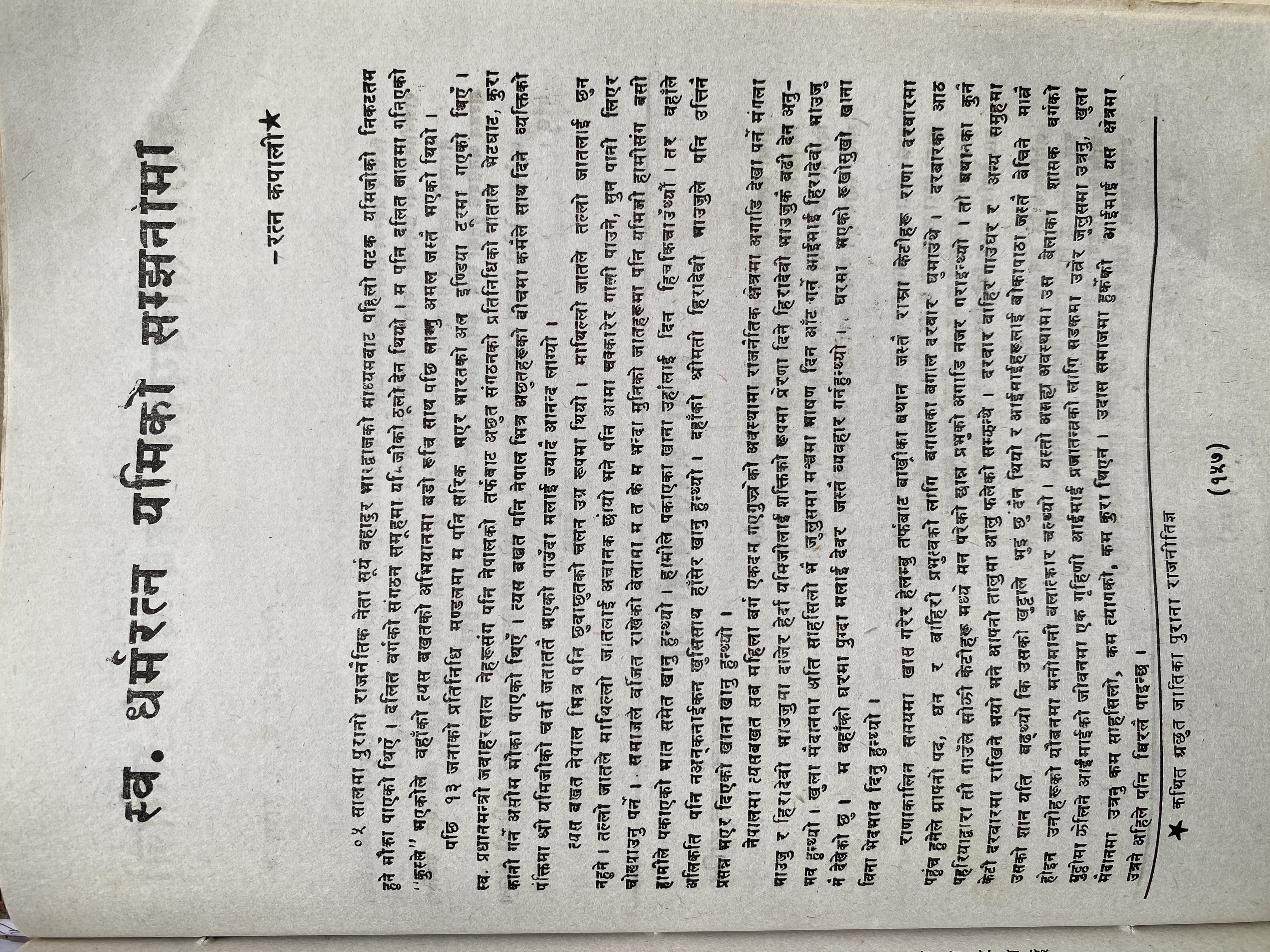
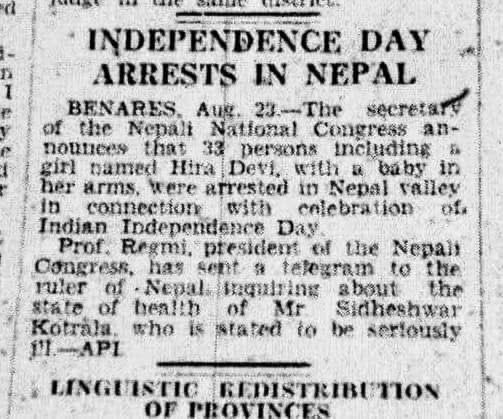
Maya, Sadhana Pradhan, Snehulata, Mithe Thuldidi, PremLata Kansakar, Kanaklata Nakarmi, Pratibha Karmacharya, Gulbadan Tamrakar, Kokila Tuladhar, Shanta Shrestha, Sarohani Manandhar, Nani Shrestha, Mithai Maharjan, Bhanudevi, Subarna Maiya Joshi, Uma Devi Maharjan, Hiradevi Tuladhar (Yami) with infant baby daughter Dharma Devi, Mrs. Bhanudevi Tuladhar, Mainu Pradhan, Krishna Kumari Manandhar, Keshari Devi, Tara Manandhar, Hasina Devi Shrestha, Mohini Amatya, and Nanu Pradhan.
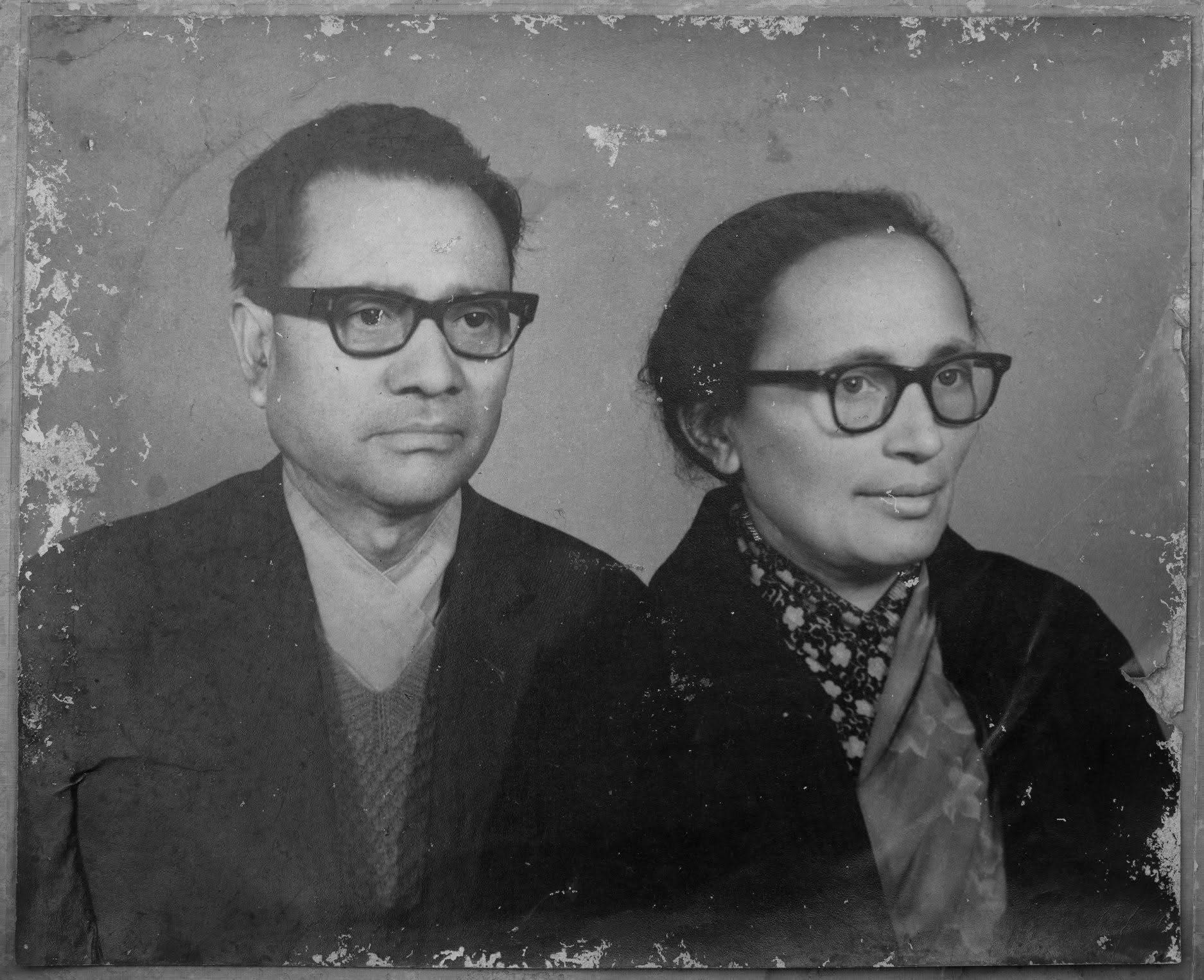
Heera Devi Yami

Posted On
Posted By
Dharma Ratna Yami

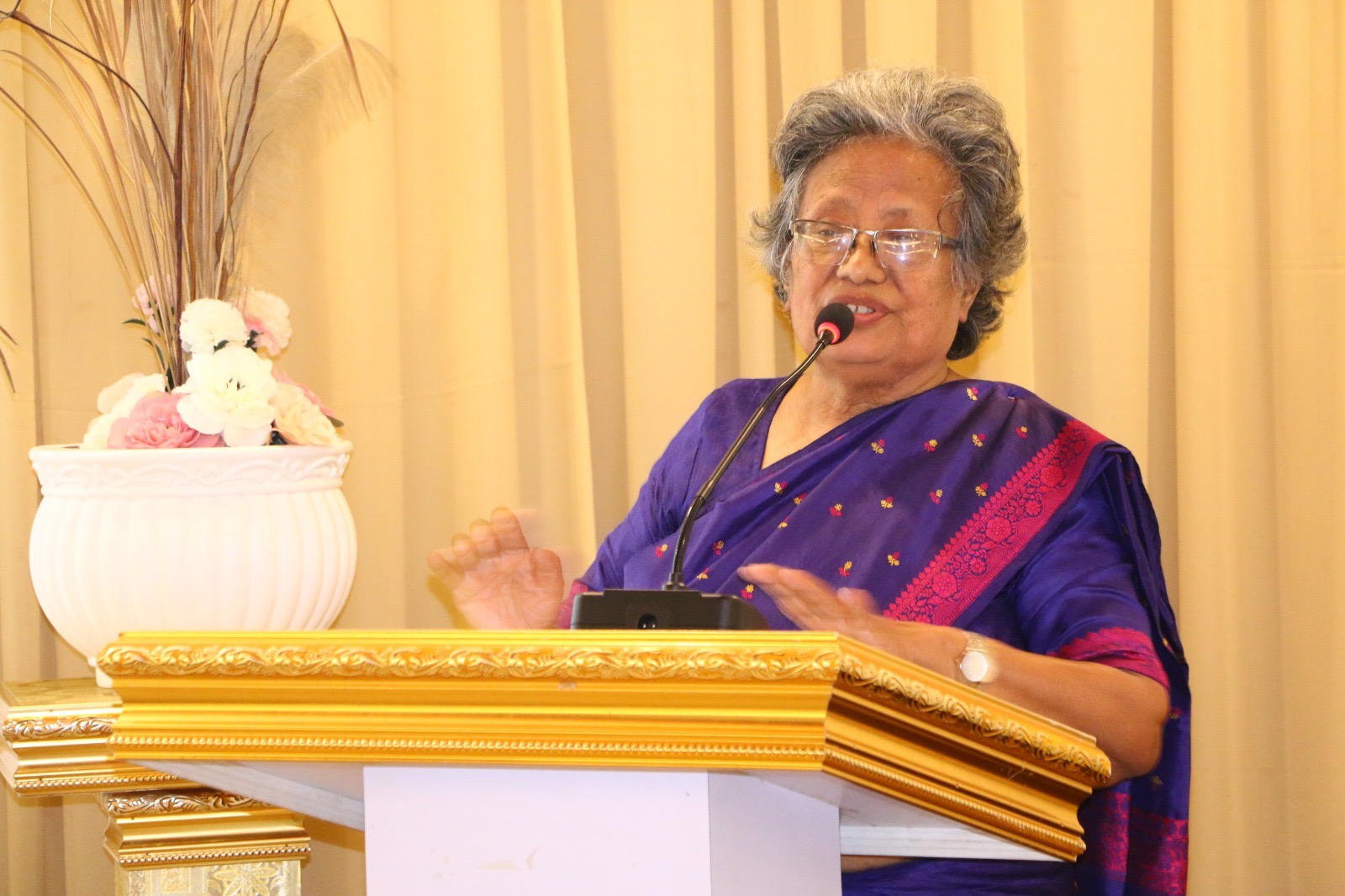
In Varanasi, B.P. Koirala—who had recently been released from prison—invited us to dinner. Mrs. Koirala showed great respect to her, and B.P. Koirala told me: "Yami-ji, take very good care of sister-in-law. If anything happens to her, you will be left helpless. Your life has benefited immensely from her sacrifice and penance, and her presence is vital for our country's future."

Heera Devi Yami: Defying Caste Taboos and Political Silence

Posted On
Posted By
P

Heera DEvi's exposure to the Indian Independence Movement (witnessing Mahatma Gandhi's campaigns firsthand in Kolkata and Kalimpong prior to 1947) directly shaped her grassroots methods—combining non-violent social reform, educational outreach, and anti-caste advocacy in Nepal.

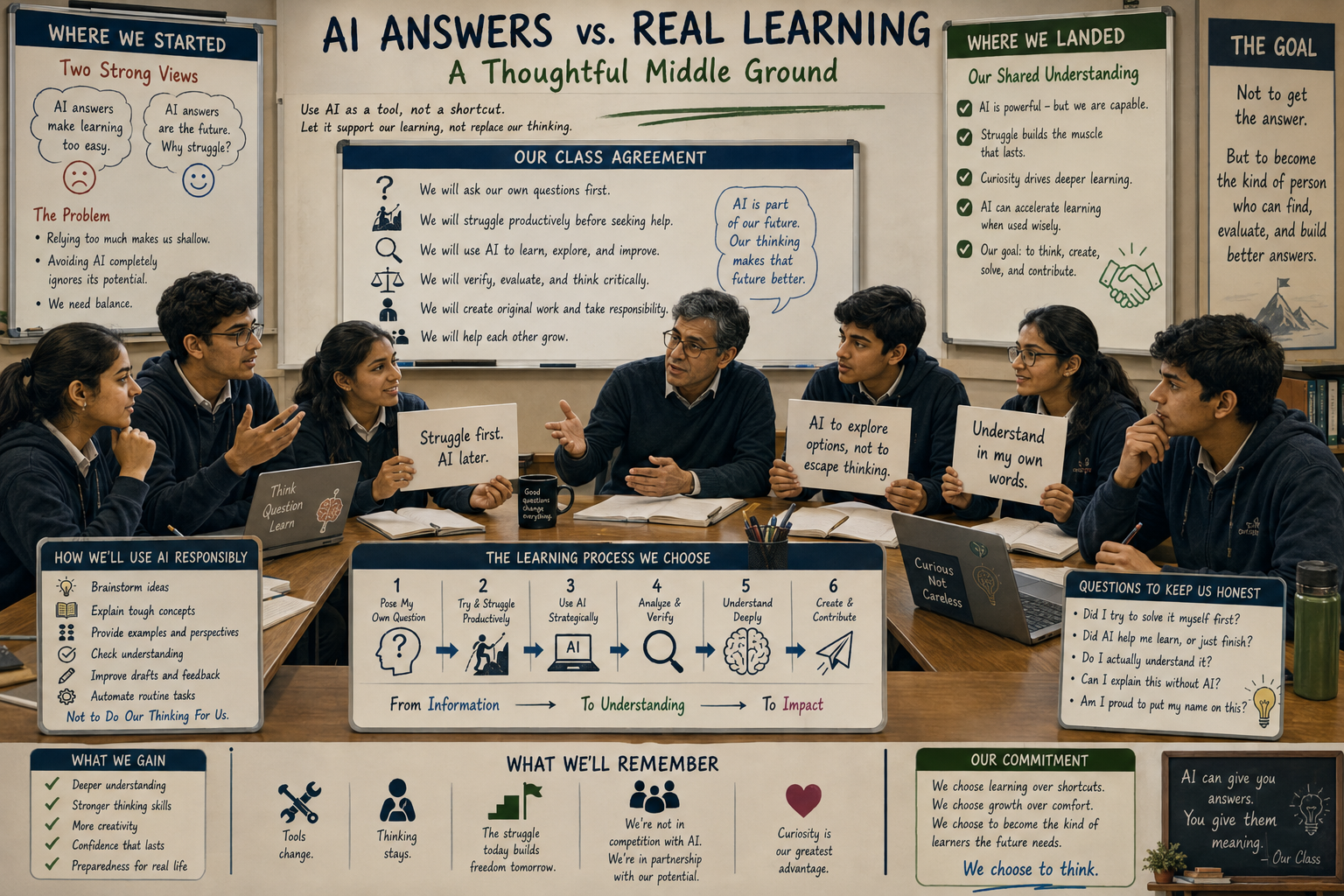
The Cognitive Shield: Why Critical Thinking Is Vital for Mental Health in the AI Age

Posted On
Posted By
Prof. Timila Yami Thapa

Nepal, as the birthplace of Shakyamuni Buddha, carries deep philosophical roots in Buddhist traditions. The Buddha’s famed Kalama Sutta explicitly advises against blindly believing rumors, traditions, or authority figures without personal verification and logical reasoning. This historical tradition frames critical thinking not merely as an academic exercise, but as an essential practice for emotional balance and peace of mind.